Contemporary New Build House Design: Barmouth, Gwynedd.
A contemporary new build house design in Barmouth, Gwynedd, shaped by landscape, planning context and a thoughtful architectural response to modern rural living.
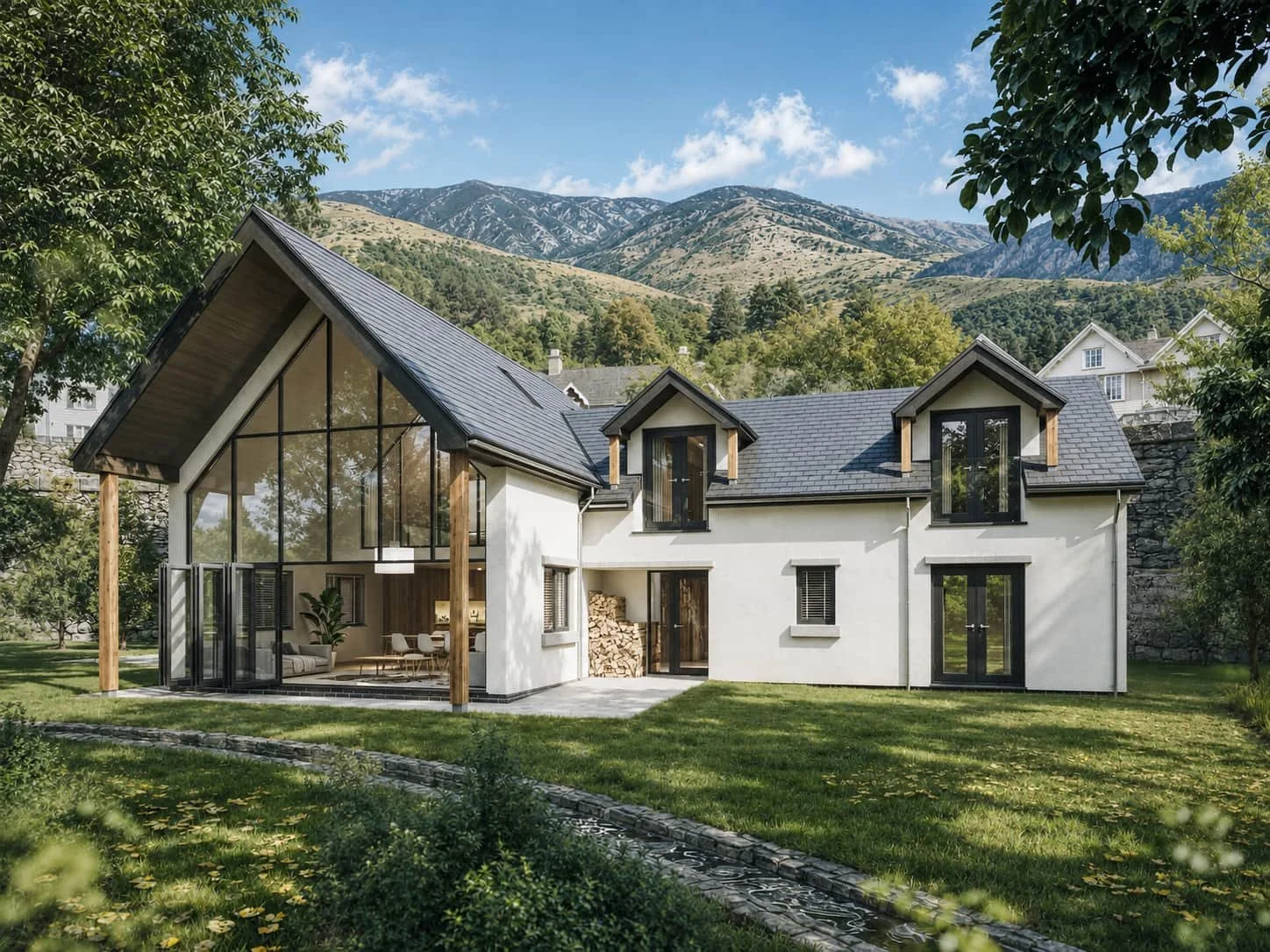
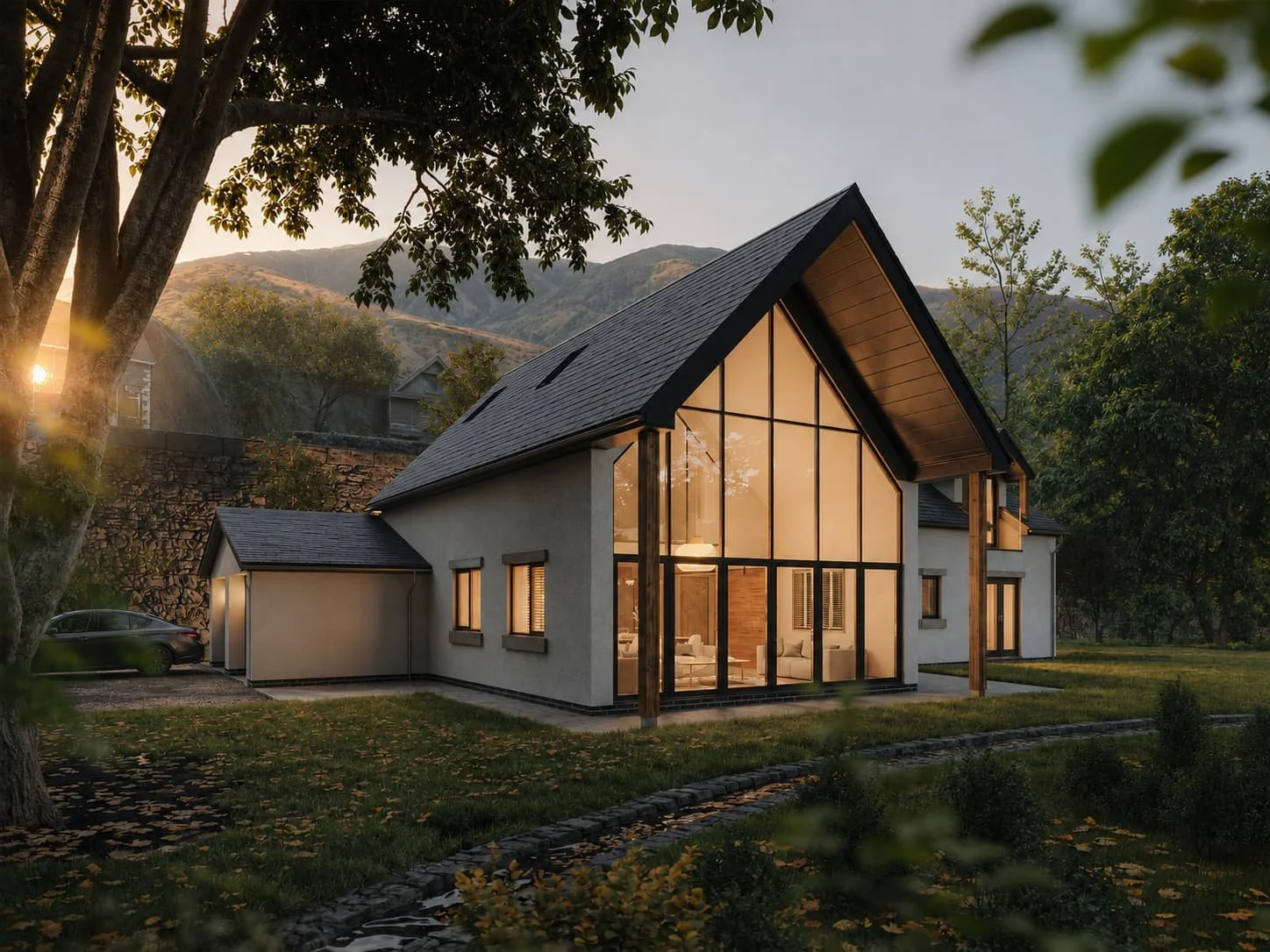
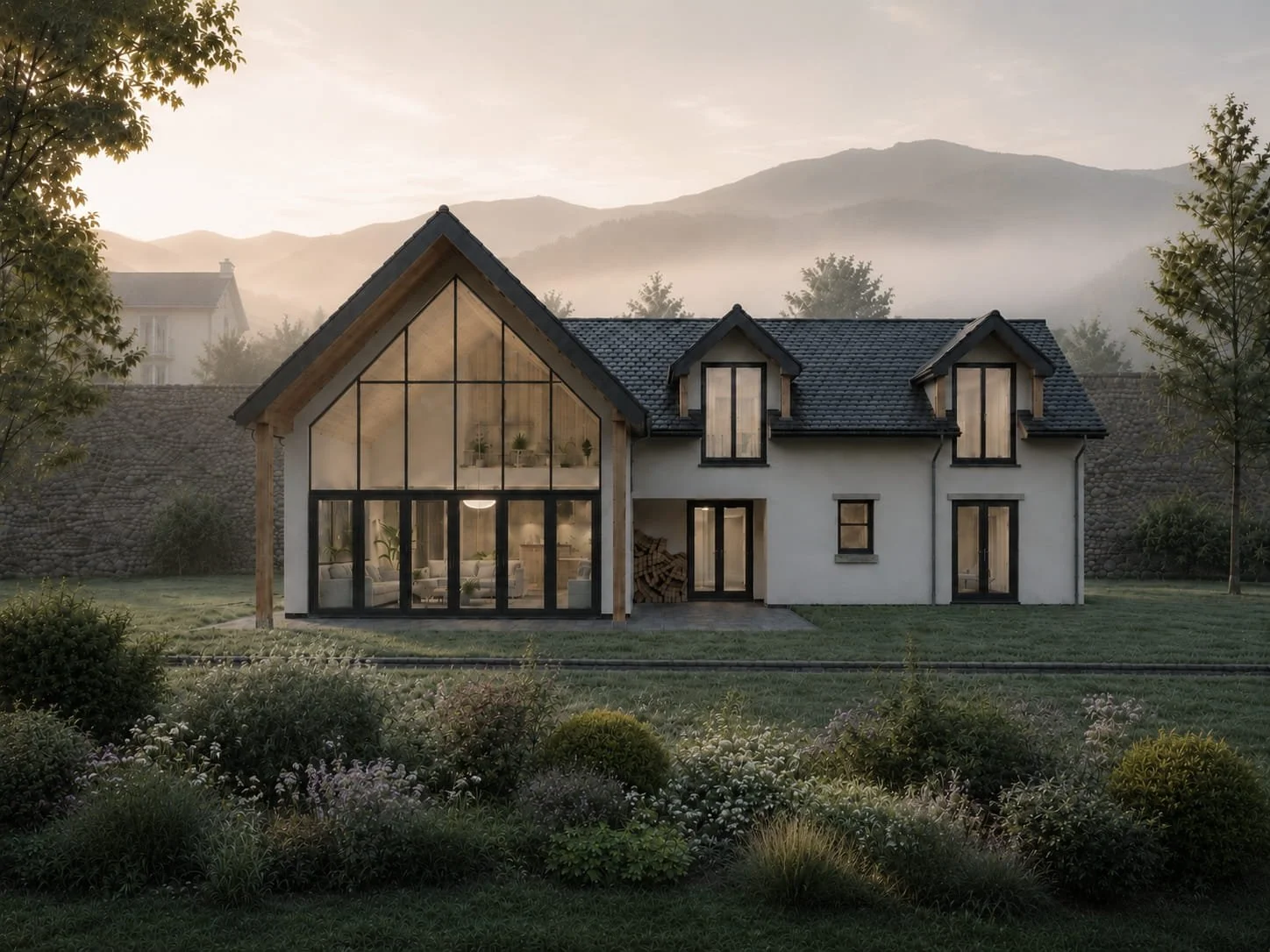
This contemporary home in Barmouth, Gwynedd explores a thoughtful architectural response within a sensitive North Wales landscape shaped by tree preservation constraints and wider planning considerations. The design balances modern living with a strong connection to its rural setting, carefully positioning the building to respect established landscape features while maintaining a confident architectural presence.
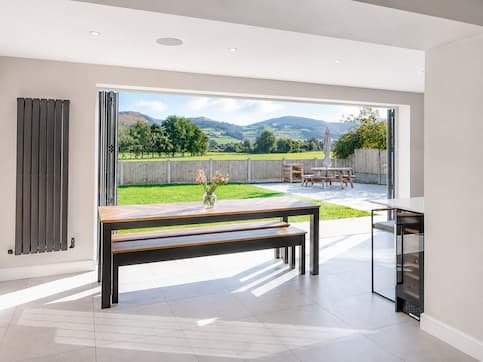
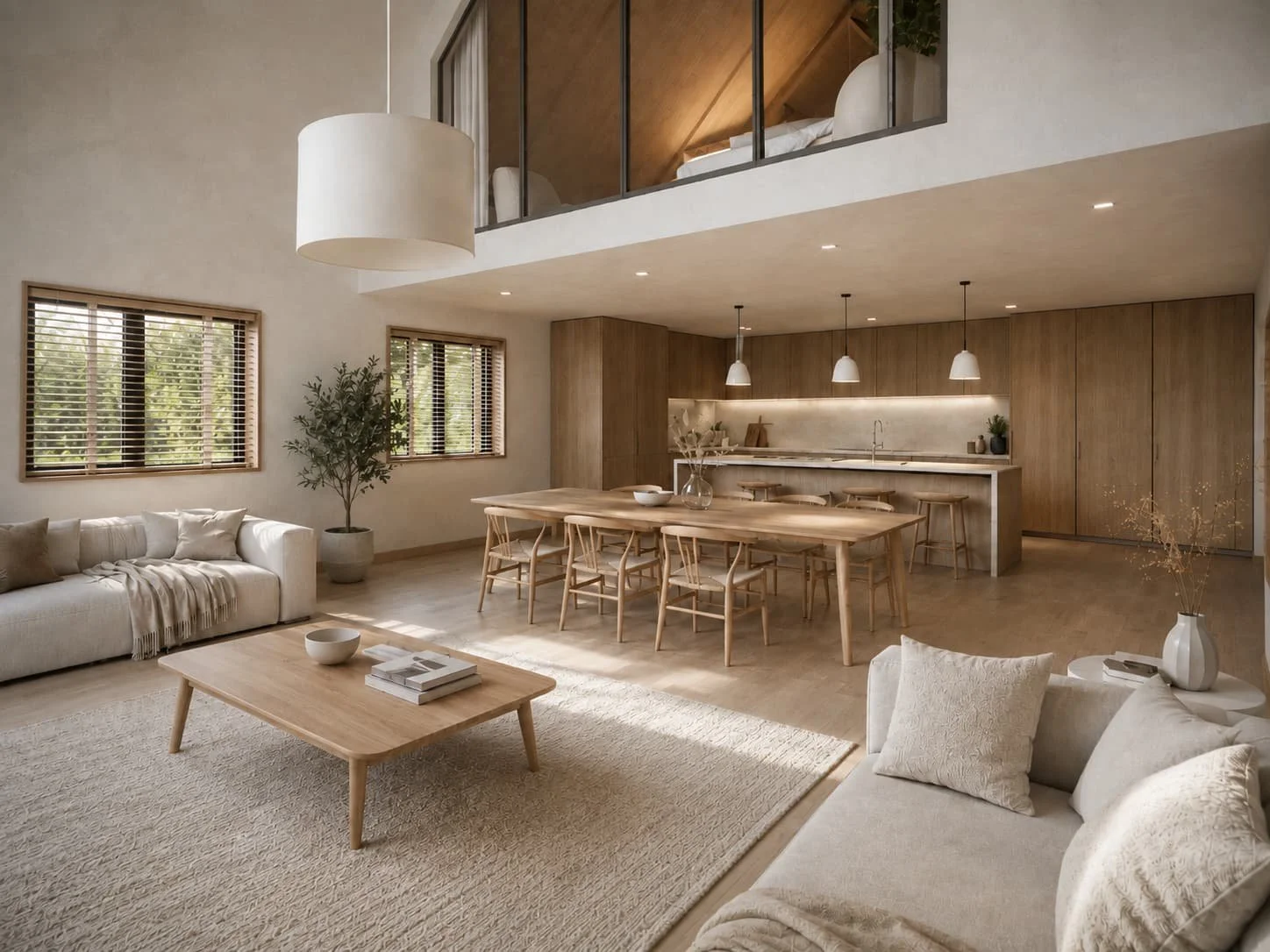
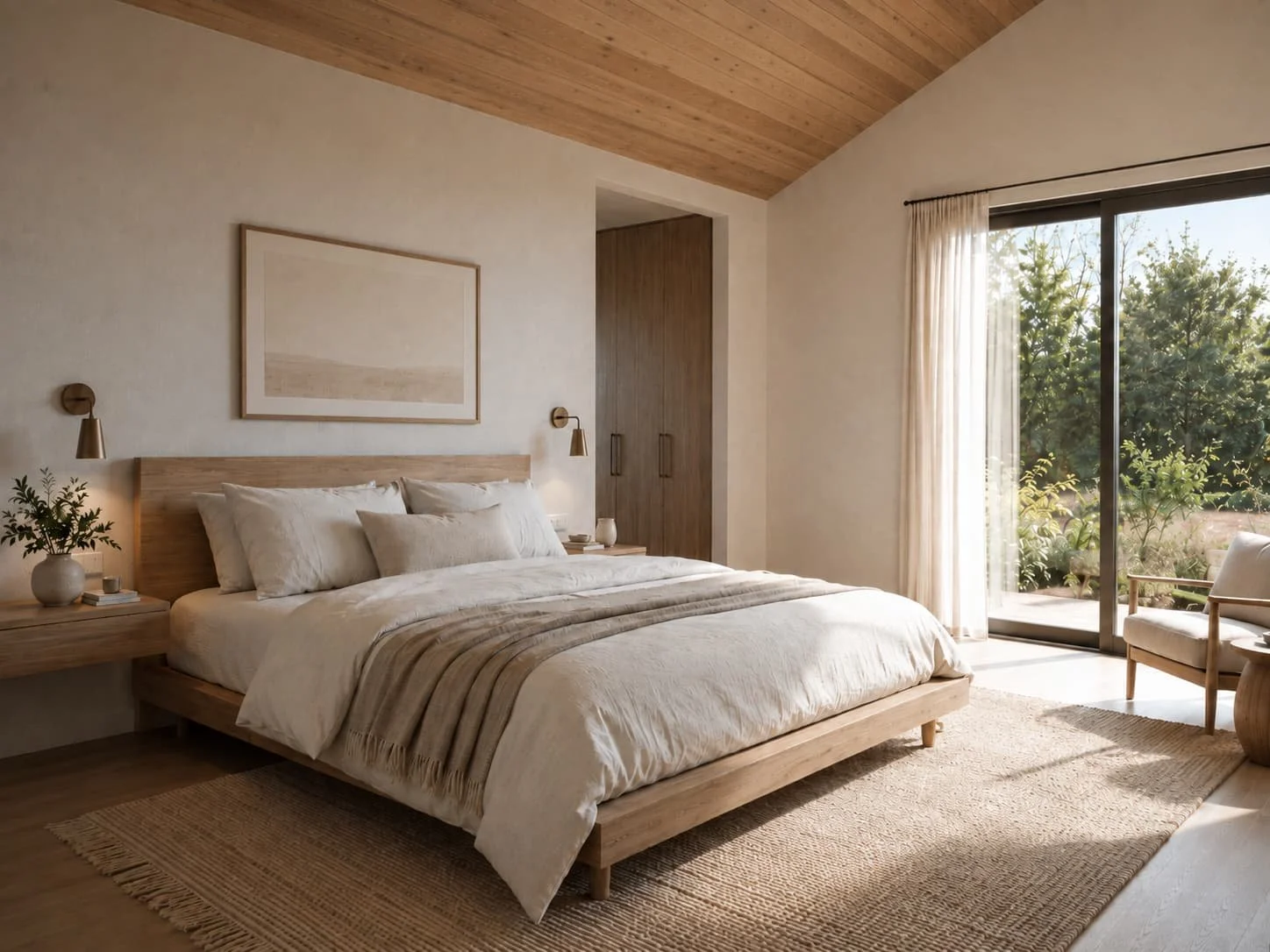
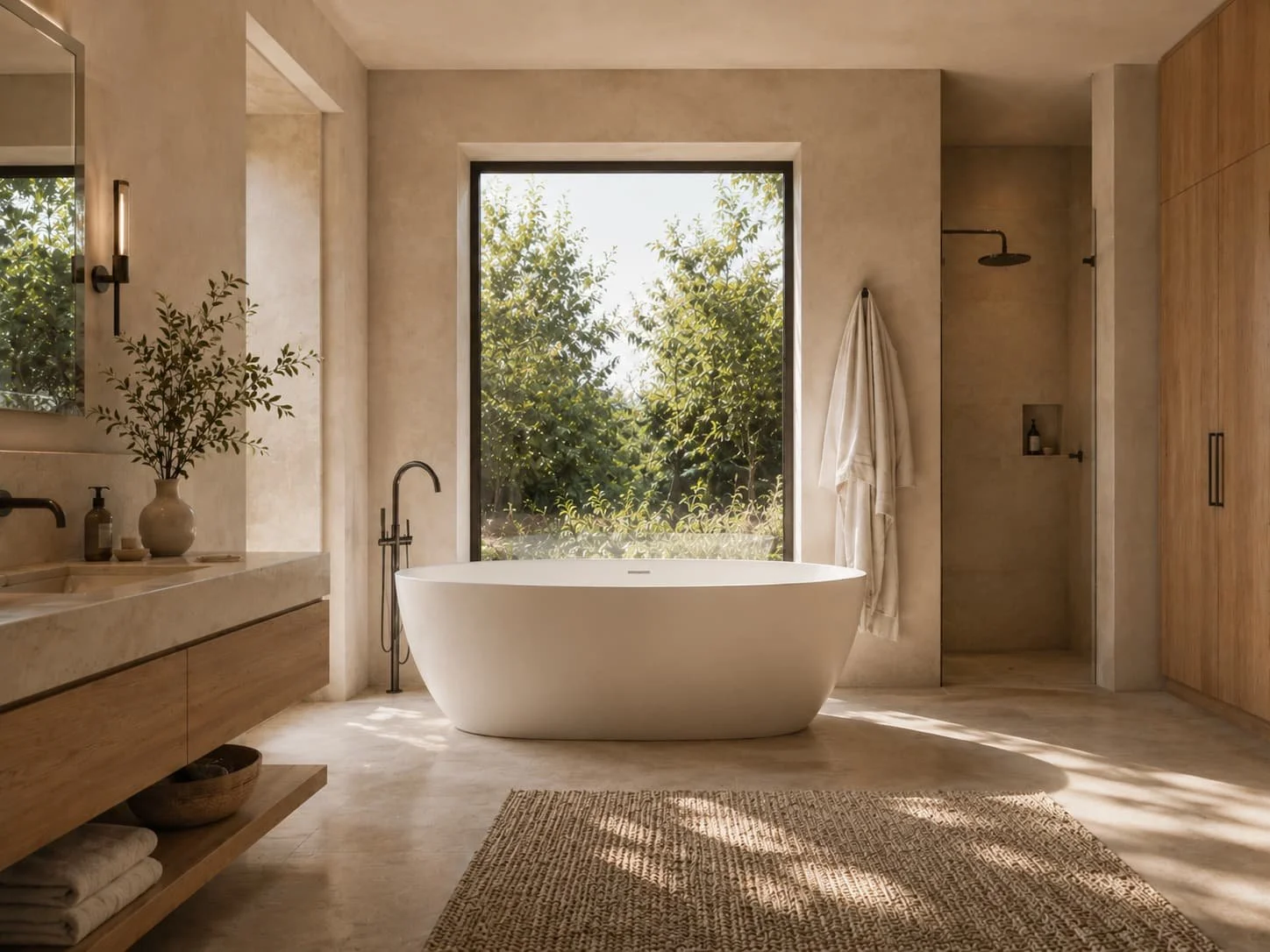
Internally, the proposal focuses on light, openness and clear spatial relationships, with glazing used to frame views and strengthen the connection between interior spaces and the surrounding environment. Early planning engagement informed the evolution of the design, resulting in an architect-designed family home that responds carefully to context while supporting long-term usability and a strong sense of place.
-
“Robert guided us expertly through the planning process, delivering prompt and thorough support. His designs and three-dimensional imagery brought our vision to life. We couldn’t recommend him more highly and have already referred him to friends and family. A fantastic experience—we’d absolutely work with him again.”
– Mark Irvine & Erin Harris, Landowners
-
Location: Barmouth, Gwynedd
Client: Mark Irvin & Erin Harris
Sector: Residential
Category: New Dwelling
RIBA Work Stages: RIBA Stages 0–7
Construction Value: Circa £350,000 (Approx.)
Project Duration: September 2022 - September 2026
Gross Internal Area (GIA): 62m² / 670ft²
Collaborators: Vale Consultancy (Structural & Civil Engineers) | Wayne Evans Surveying (Land Survey) | Treesure (Tree Survey)
-
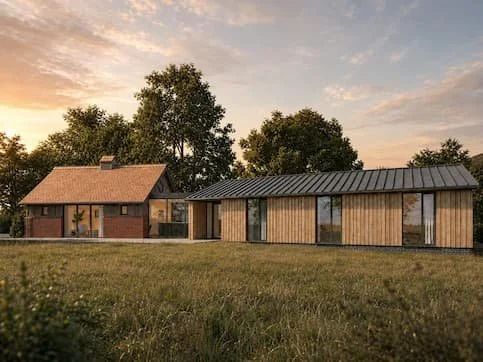
This contemporary residence in Barmouth, Gwynedd reflects Winter Jones’ approach to residential architecture in North Wales, shaped by a planning-led process and a careful response to landscape, context and modern living. Set within a sensitive setting influenced by existing tree preservation constraints, the proposal required a balanced architectural response that respected its surroundings while delivering a confident and distinctive family home. The placement and orientation of the dwelling were shaped by environmental considerations and opportunities to frame views across the surrounding landscape, ensuring it sits comfortably within its rural context.
The architecture interprets familiar local forms through a contemporary lens, creating a modern home that feels grounded in its setting while introducing a refined design language. A generous open-plan ground floor provides flexible living space centred around natural light and clear visual connections, with internal areas arranged to support both family life and quieter moments of retreat. Carefully composed glazing maximises outlook while maintaining a measured and appropriate presence within the landscape, strengthening the relationship between interior spaces and the external environment.
Early collaboration and pre-application engagement played an important role in shaping the evolution of the scheme. A clear planning-led strategy responded positively to local policy requirements, landscape sensitivities and site-specific constraints, allowing the design to develop with confidence while remaining respectful to its surroundings. Winter Jones led the process from initial concept through planning submission, preparing visualisations and coordinated drawings that communicated the proposal clearly and established a coherent narrative throughout the application.
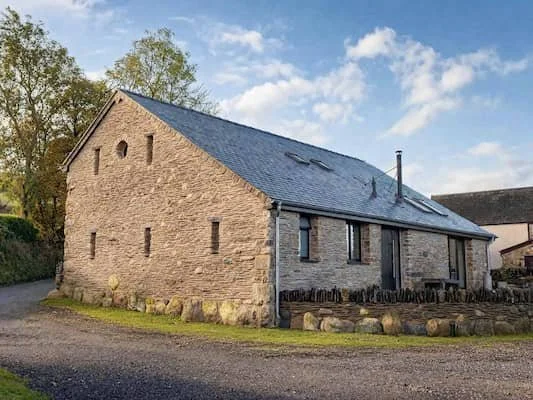
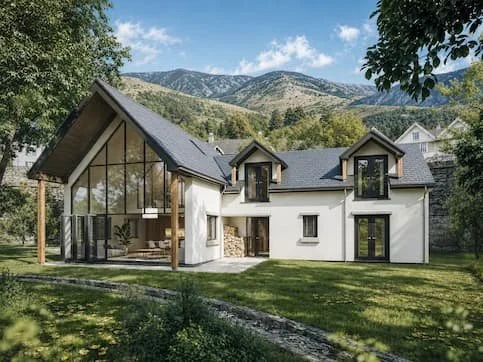
Environmental sensitivity formed a central part of the project’s development. Tree surveys and landscape input informed the positioning of the home to minimise impact on protected features, while opportunities for biodiversity enhancement were explored through considered planting and permeable surface strategies. The material palette — combining stone, render and traditional slate — was selected to reflect the character of the wider North Wales landscape, creating a building that feels both contemporary and rooted in place.
Architecturally, the L-shaped form defines a series of sheltered external spaces while organising the plan into clear zones for living, working and relaxation. A striking double-height glazed gable introduces a strong focal point within the composition, allowing natural light to penetrate deep into the interior and creating a sense of openness and verticality. The design prioritises accessibility, adaptability and long-term usability, resulting in an architect-designed home shaped by the client’s aspirations and a carefully considered response to proportion, landscape and context.