Historic Building Restoration: Denbigh, North Wales.
Explore how a historic building restoration transforms a rural agricultural structure into a welcoming family home, balancing heritage character with thoughtful contemporary design.
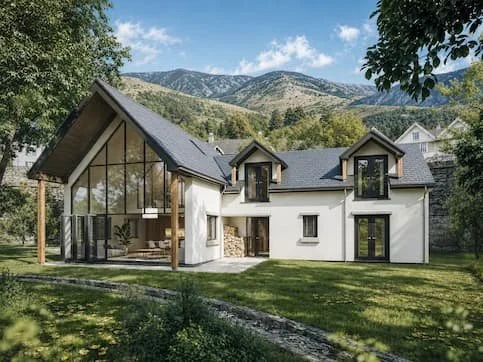
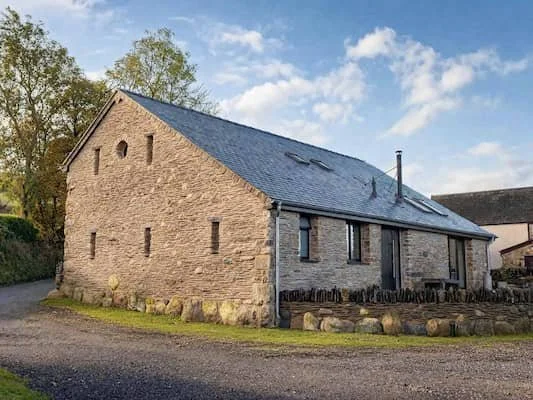
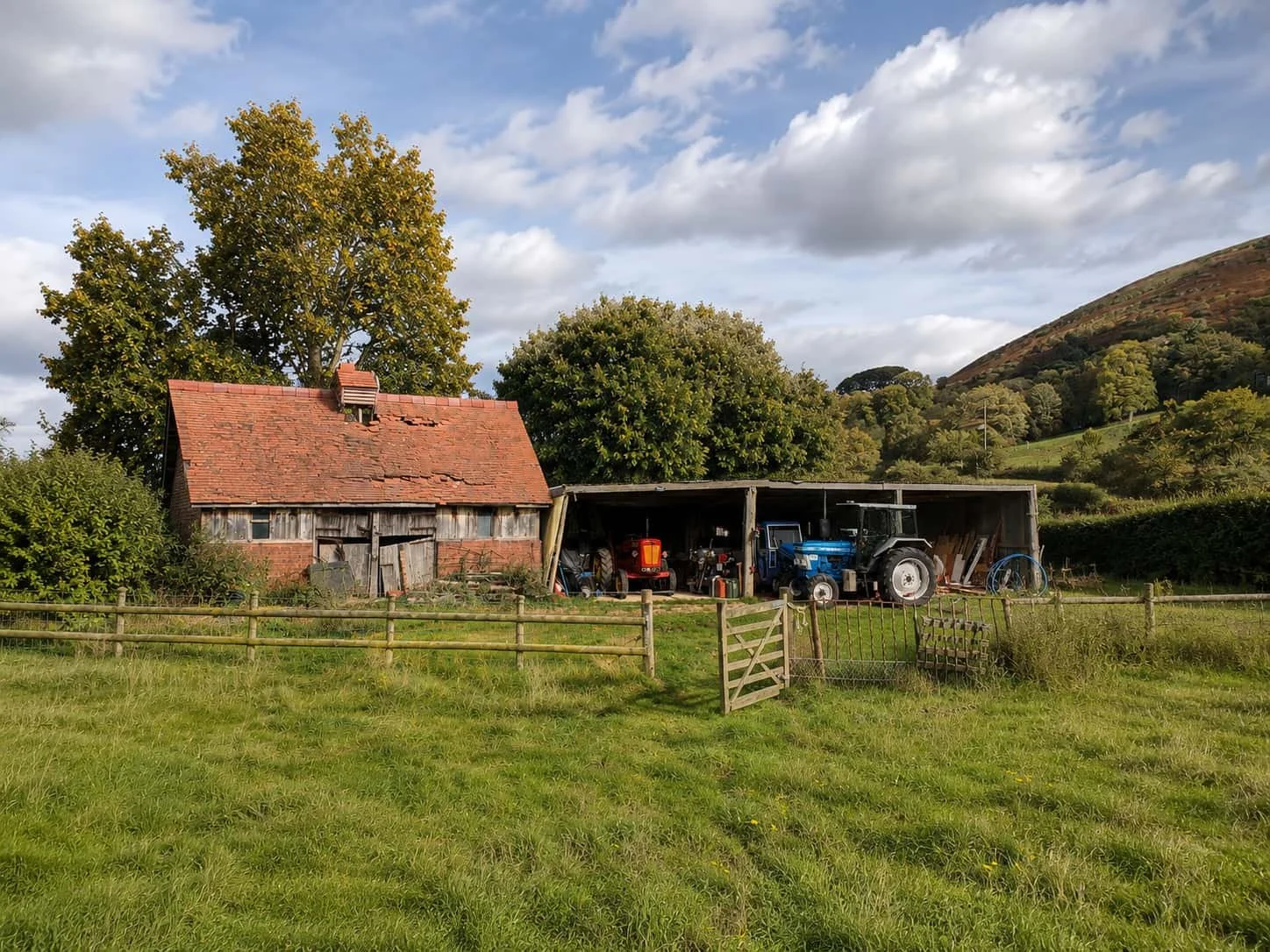
This project focuses on the thoughtful transformation of a historic agricultural building in rural Denbighshire, reimagined as a contemporary family home while respecting its original form and setting. The design approach balanced heritage sensitivity with modern living, carefully integrating a modest extension that enhances usability without overwhelming the character of the existing structure.
Working within a sensitive rural context, the scheme prioritised material honesty, proportion and long-term adaptability. Natural light, simple detailing and a calm architectural language allow the restored building to feel both grounded in its history and aligned with modern lifestyles, creating a home that feels timeless rather than trend-led.
-
"We have been thoroughly impressed by Robert's expertise and dedication throughout the project so far. He quickly understood our vision, navigated challenges with creative solutions, and kept us well-informed during an uncertain and finely balanced planning process. His clear communication and commitment have made the experience seamless and enjoyable."
– Richard Smith & Ffion Montgomery
-
Location: Aberwheeler, Denbigh, Denbighshire
Client: Richard Smith & Ffion Montgomery
Sector: Residential
Category: Restoration & Extension
RIBA Work Stages: RIBA Stages 0–7
Construction Value: Circa £264,000
Project Duration: June 2022 - December 2026 (Approx.)
Gross Internal Area (GIA): 132m² / 1420ft²
Collaborators: Clwydian Planning (Planning Consultant) | Vale Consultancy (Structural & Civil Engineers) | Jones Peckover (Valuation) | Wayne Evans Surveying (Land Survey) | Treesure (Tree Survey) | PJ Ecological Solutions (Ecology)
-
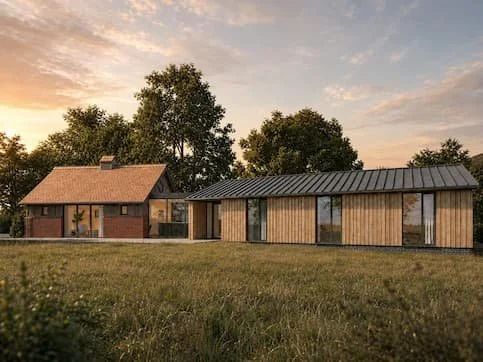
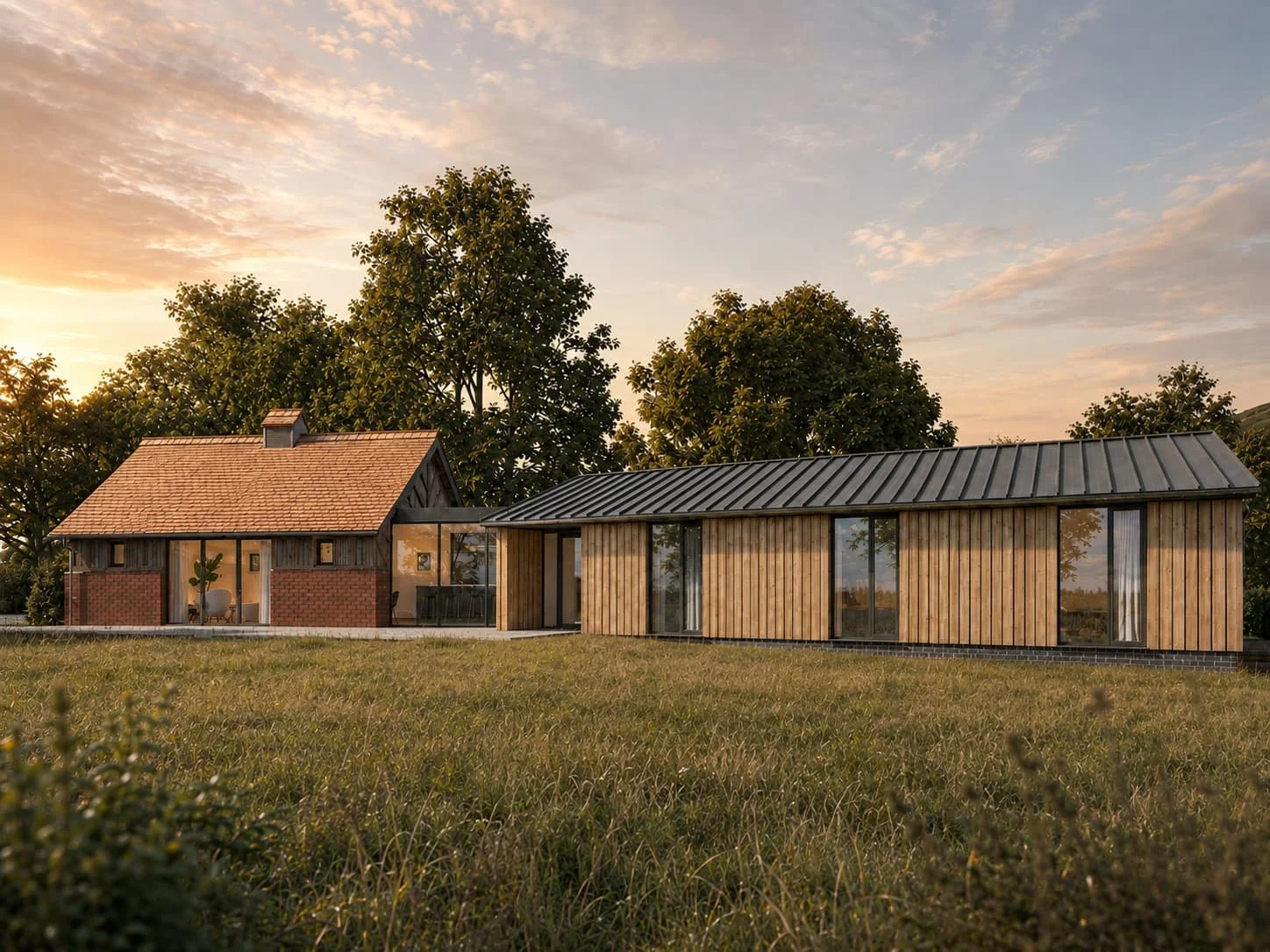
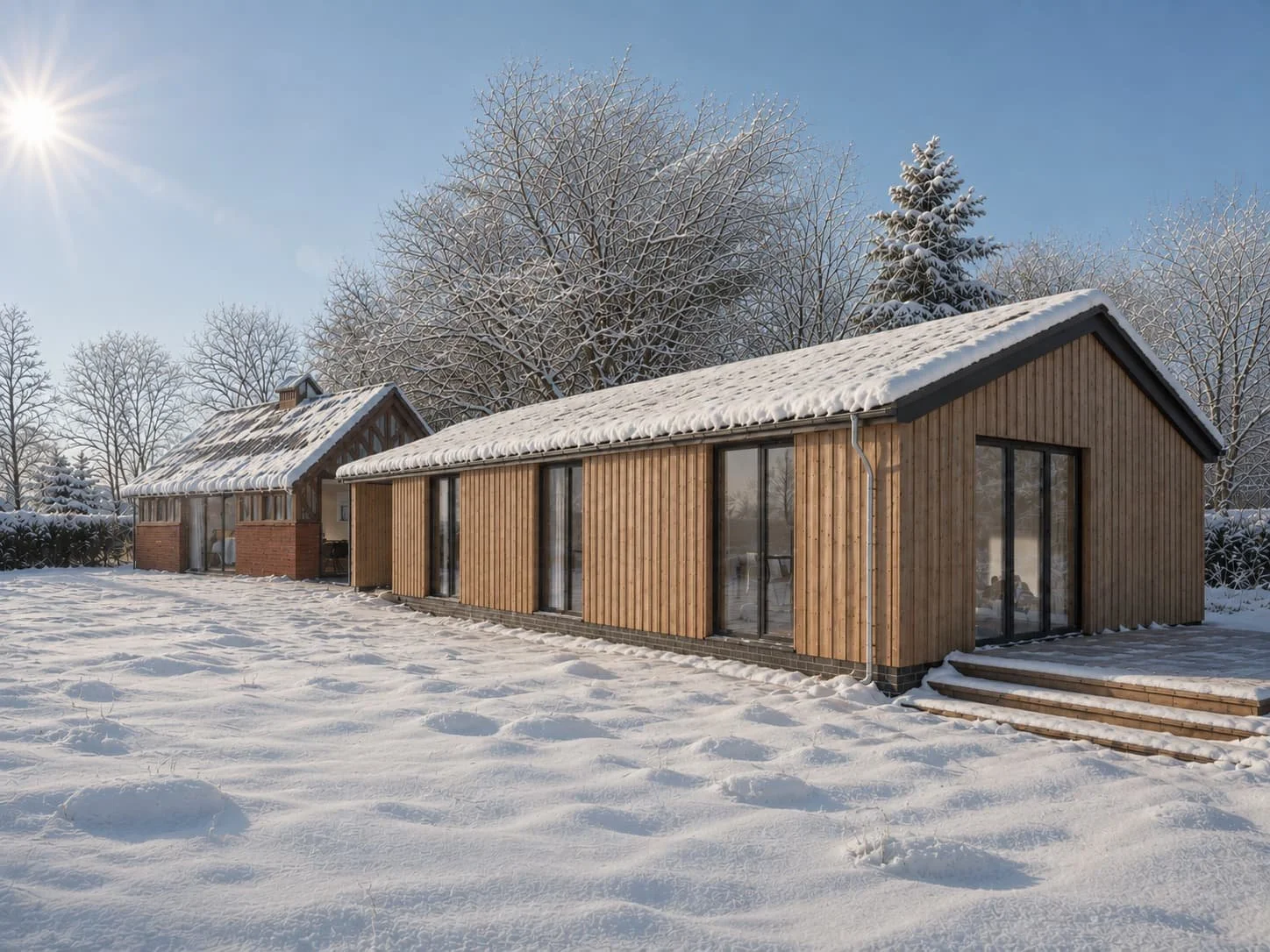
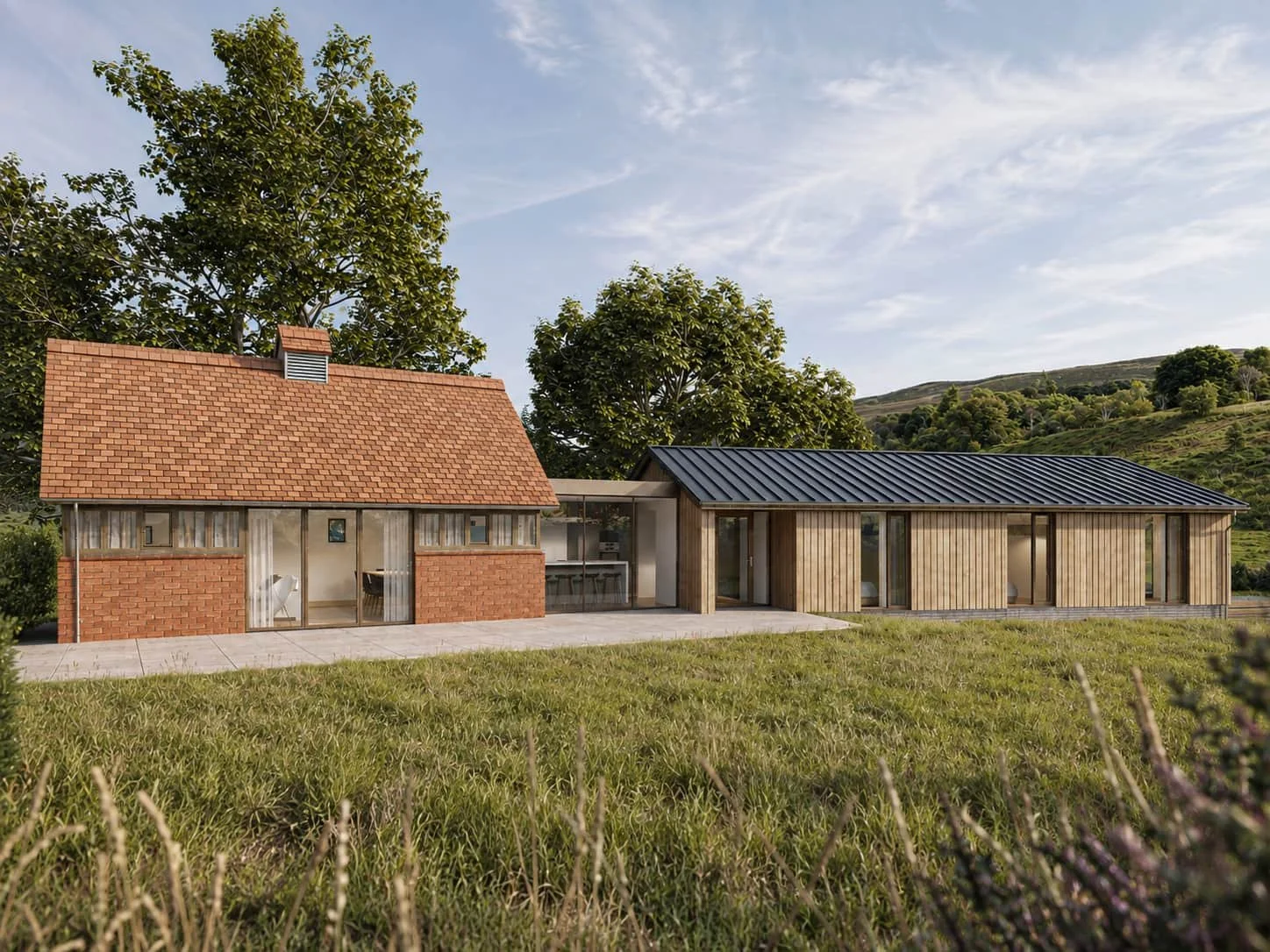
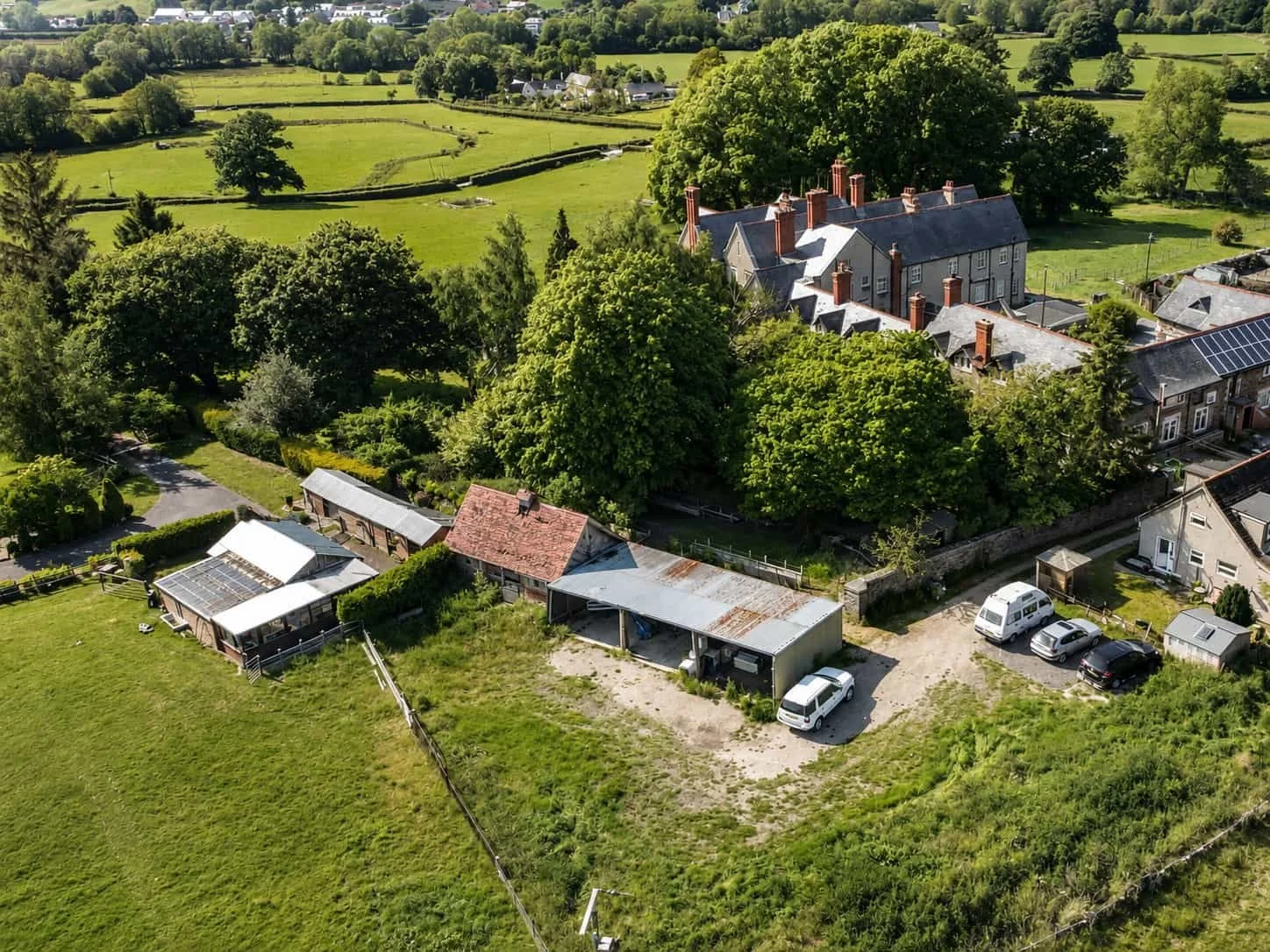
Set within the rural landscape near Denbigh, this heritage-led project focuses on the careful transformation of a former agricultural structure into a comfortable and enduring family home. The design approach responds sensitively to the character of the existing building, ensuring that new architectural interventions remain modest, respectful and rooted in their surroundings. Rather than competing with the original form, the contemporary extension is designed to sit quietly alongside it, enhancing usability while maintaining a strong connection to place and reinforcing the building’s long-standing relationship with the landscape.
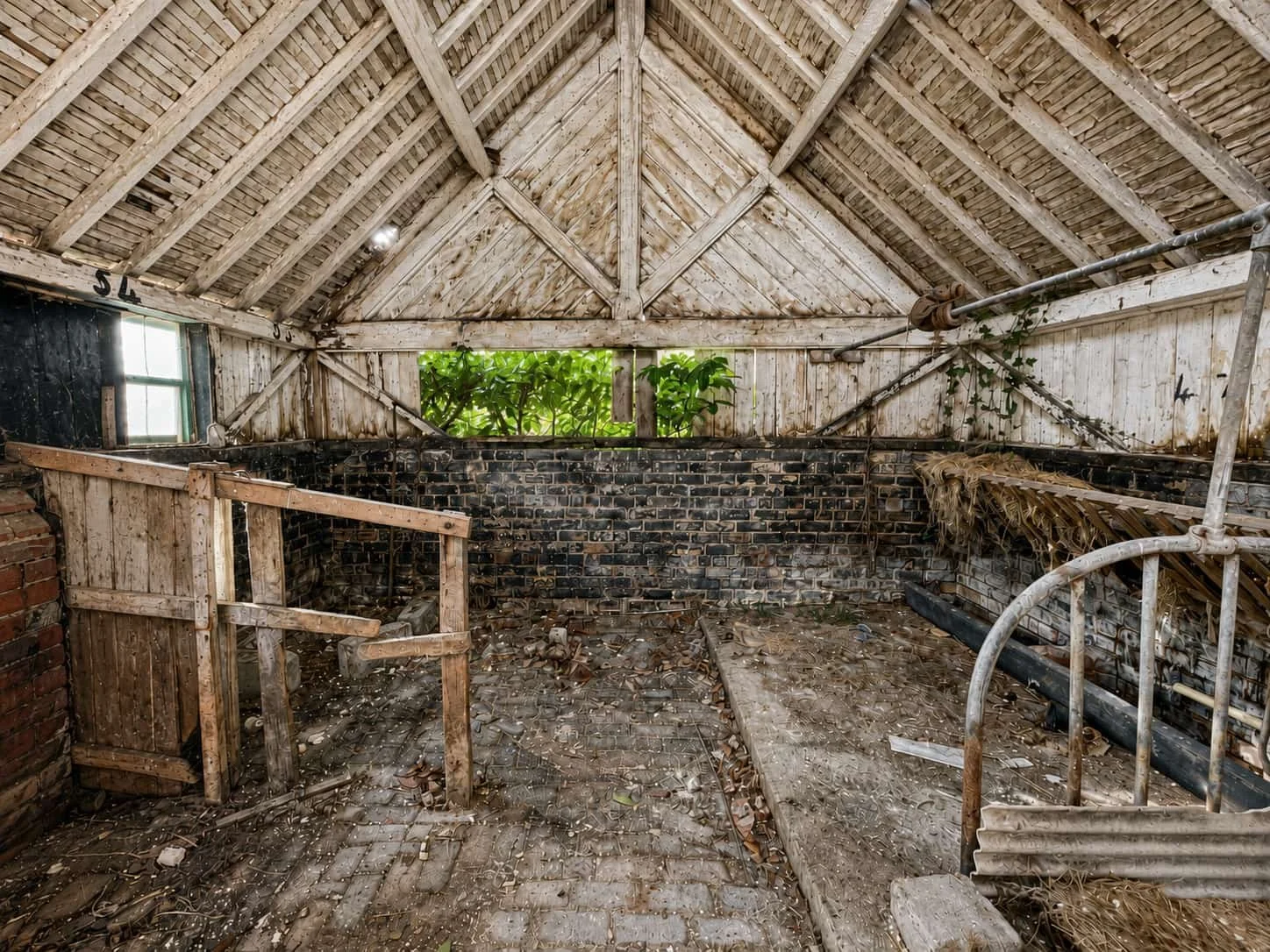
The proposal draws inspiration from traditional North Wales vernacular, combining familiar materials with refined contemporary detailing to create a cohesive architectural language that feels both authentic and progressive. Existing masonry, roof forms and proportions informed the evolution of the design, allowing the building to retain its sense of identity while accommodating new spaces suited to modern living. Timber cladding, muted tones and carefully selected finishes ensure the new elements feel integrated into the rural setting, creating a calm architectural presence that complements rather than dominates.
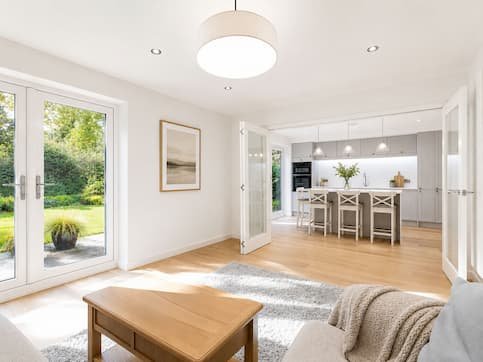
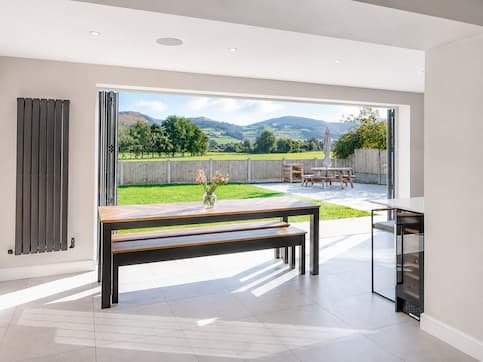
Internally, the layout has been carefully considered to improve flow, light and everyday functionality while respecting the constraints of the original structure. Open-plan living areas are balanced with quieter retreat spaces, creating a home that feels adaptable throughout the day and across changing seasons. Large openings frame views across the surrounding countryside, strengthening the connection between interior and exterior spaces while drawing natural light deep into the plan. The relationship between old and new is expressed through subtle shifts in material and proportion, allowing each element to remain legible without creating visual tension.
Planning discussions required a thoughtful and measured response to landscape character and local heritage considerations. Through early collaboration and a clear architectural narrative, the scheme evolved into a confident yet understated design that demonstrates how traditional buildings can be adapted sensitively for contemporary life. The extension reinforces the long-term viability of the structure, supporting future use while maintaining the qualities that define its historic presence within the rural landscape.
Environmental performance also shaped the direction of the project from the outset. Retaining the existing building reduces embodied carbon, while upgrades to insulation, glazing and orientation help improve energy efficiency and year-round comfort. Sustainable drainage strategies, soft landscaping and minimal site intervention ensure the development sits naturally within its surroundings, reinforcing the wider environmental context. The result is a balanced architectural response — one that blends heritage character with contemporary living, creating a home that feels timeless, grounded and quietly confident in its setting.